



Introduction: The Rapid Evolution of Artificial Intelligence
Technology has evolved rapidly over the past few decades. Heavy desktop computers and paper notebooks once dominated daily work. Today, artificial intelligence dominates the digital world. AI coding agents now complete complex tasks in seconds.
- Introduction: The Rapid Evolution of Artificial Intelligence
- What Is AI-Driven Reverse Engineering?
- The Hidden Trap of “Vibe Coding”
- Gaming Ports and Browser Emulation: The New Frontier
- The Dark Side: Cybersecurity Threats and Banking Attacks
- Economic Impact and the Future of Software Industries
- Final Verdict: Navigating the Uncharted Future
To understand modern machine intelligence, read our guide on the Truth About Artificial Intelligence. Developers also test top coding tools in our ChatGPT vs Gemini vs Claude vs Grok comparison.
However, rapid AI growth brings major security risks and skill losses. A viral online tweet recently claimed that AI renders traditional software obsolete. At the same time, automated coding has introduced a risky trend called vibe coding. Tech enthusiasts must examine these shifts carefully to protect their skills and security.
What Is AI-Driven Reverse Engineering?
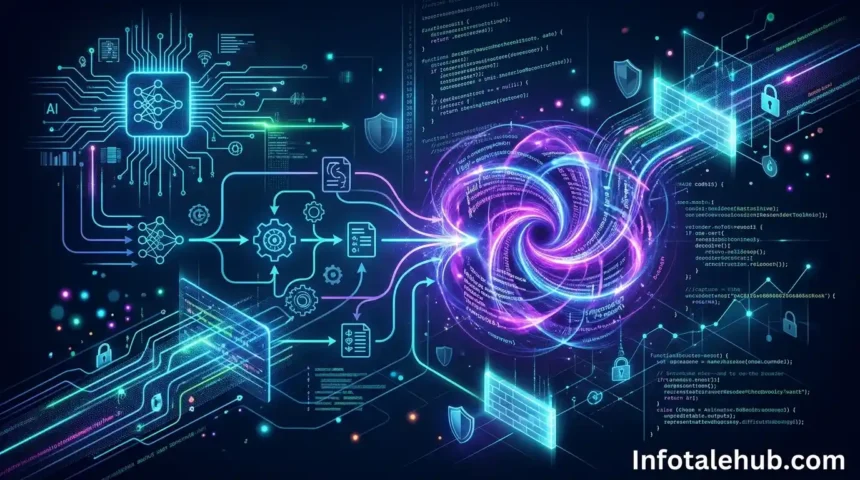
Developers create software by writing code. Computers convert this code into binary machine language using zeros and ones. Human brains struggle to read raw binary code. In the past, reverse engineering required elite human experts and months of effort.
Today, advanced AI models like those from Anthropic change everything. These AI tools read full codebases in seconds. Anyone can use open platforms like GitHub to host reverse-engineering scripts. A simple text prompt now lets users dissect complex app features effortlessly.
AI agents analyze software behavior and extract internal logic automatically. Users can replicate proprietary features without writing manual code. This speed shocks traditional software creators and cybersecurity teams across the world.
The Hidden Trap of “Vibe Coding”
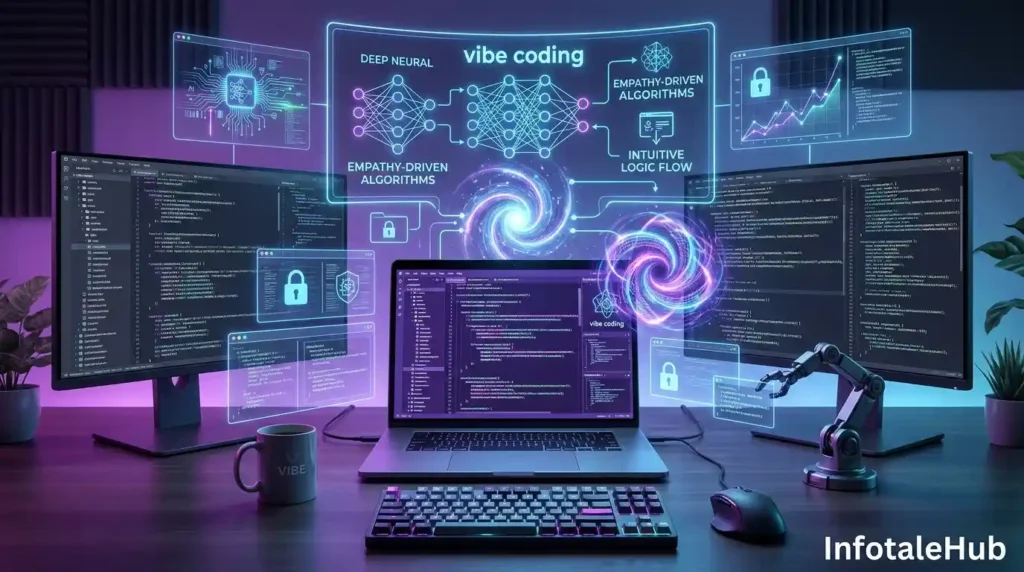
Many beginners use AI to build apps without reading the underlying code. Experts call this practice vibe coding. Relying on AI without basic knowledge creates massive long-term problems for developers.
- The Illusion of Depth: AI generates the code, but users gain false confidence. Developers lose their critical thinking skills over time.
- The Software Engineer Trap: Writing basic code is no longer enough for tech jobs. Modern companies hire holistic engineers who design, build, and debug systems.
- Skipping Critical Reps: Outsourcing basic logic to AI stops coders from understanding data flow. Learners fail to master essential programming concepts.
- Losing Debugging Instincts: Real technical mastery comes from solving bugs manually. Developers build strong skills through hands-on practice.
Gaming Ports and Browser Emulation: The New Frontier
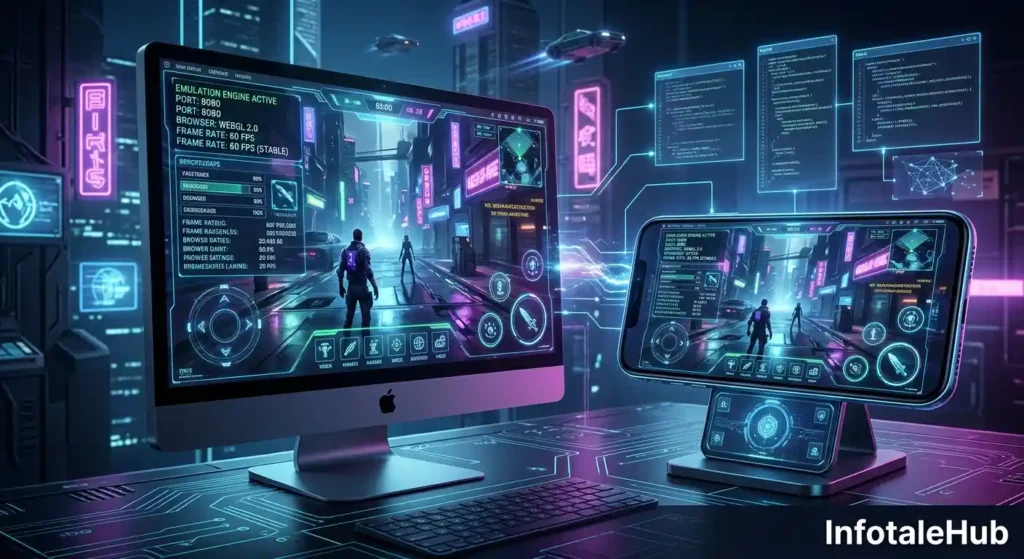
The internet now hosts wild experiments with AI-driven software ports. Coders use AI agents to bypass traditional platform limits. Users frequently witness shocking tech feats across the web.
- Console Games on PC: Developers port exclusive PlayStation titles directly to PC hardware and mobile phones.
- GTA V in Web Browsers: Coders run Grand Theft Auto V inside standard web browsers without heavy emulators.
- Bypassing DRM Protections: AI analyzes and removes digital rights management locks in hours instead of months.
- Rapid Emulation Upgrades: Open-source teams use AI agents to boost emulator frame rates and performance.
These rapid developments amaze casual gamers. However, unauthorized game ports harm game studios and software creators financially.
The Dark Side: Cybersecurity Threats and Banking Attacks
Playing ported console games in a browser sounds fun. However, the underlying cybersecurity risks are terrifying. Cybercriminals now use automated AI agents to target corporate networks and uncover zero-day flaws.
Security researchers recently reported severe AI-driven cyber attacks against financial institutions. Malicious hackers used open-source AI agents to breach banking databases and expose customer data.
When AI scans software for security holes automatically, digital privacy vanishes overnight. Hackers can clone financial apps and exploit hidden security bugs effortlessly. Organizations must build stronger defenses to combat autonomous AI cyber threats.
Economic Impact and the Future of Software Industries
Easy software cloning creates a massive threat to the global economy. Tech industries need continuous revenue flow to survive. If users pirate every application for free, software companies will stop investing in new tech.
Without strong profits, hardware makers will slow down innovation. Game studios will cancel ambitious projects due to low returns. Tech leaders must enforce strict AI rules to prevent economic collapse while protecting open innovation.
Fair licensing models protect creators and consumers alike. Unchecked AI software cloning threatens tech jobs across global markets. Industry leaders must balance rapid AI expansion with ethical boundaries.
Final Verdict: Navigating the Uncharted Future
AI reverse engineering and vibe coding offer powerful shortcuts. However, they also create huge threats to software security and human skills. Tech leaders and developers must establish clear AI safety guidelines.
Human engineers must retain deep coding skills while using AI tools responsibly. Learning proper software architecture will protect tech careers in an automated world. Tech enthusiasts must stay informed as artificial intelligence continues to reshape global technology. Building real engineering expertise remains the best defense against digital automation.
Developers must practice core programming fundamentals consistently. Mastering data structures and algorithms ensures long-term career growth. Combining human creativity with AI tools yields the best technical results for future software projects.
“While software logic and code structures define modern applications, seeing how these models execute on hardware like 2026 AI smartphones gives a clearer picture of real-world performance.”